- P-ISSN 1225-0163
- E-ISSN 2288-8985



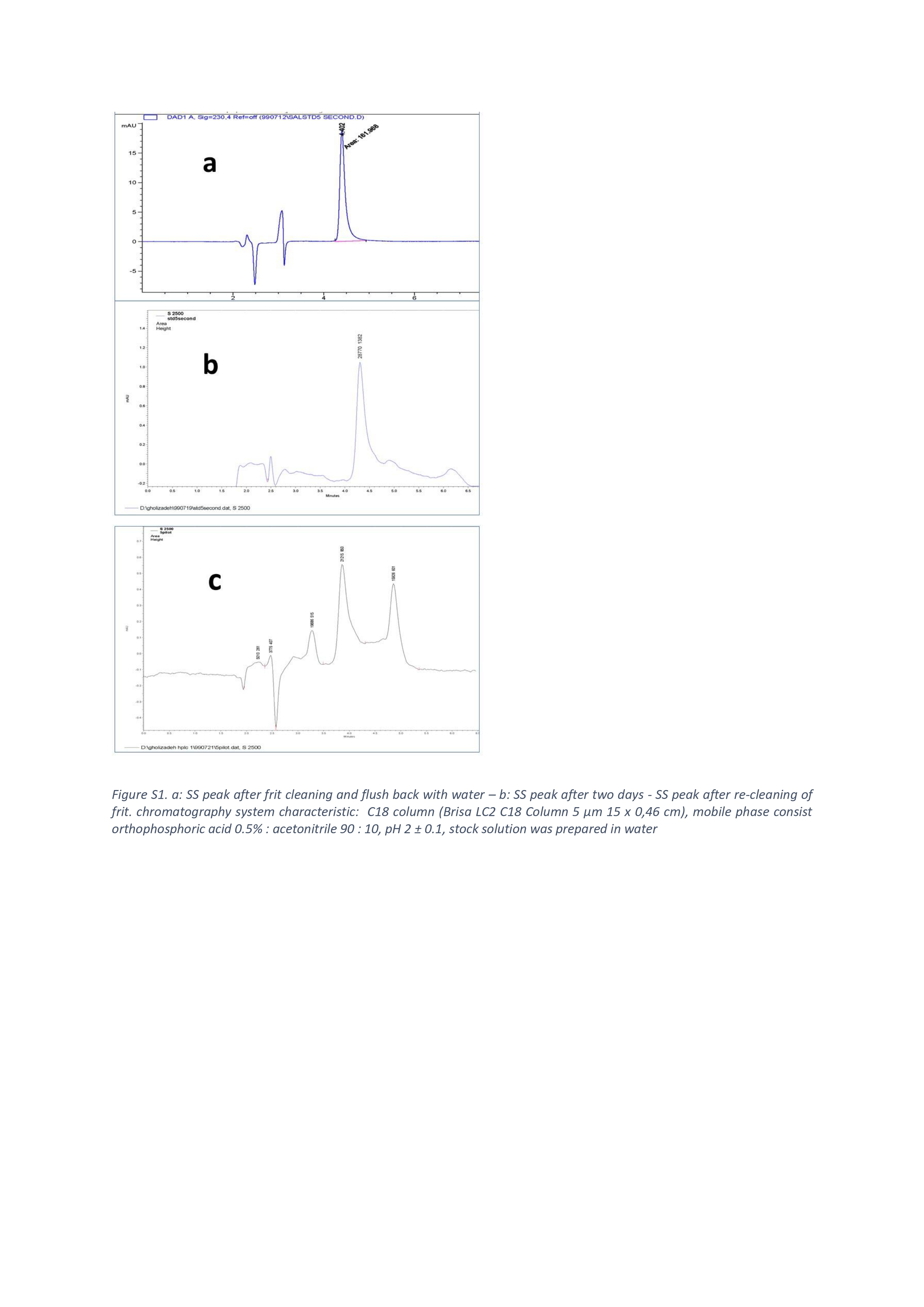
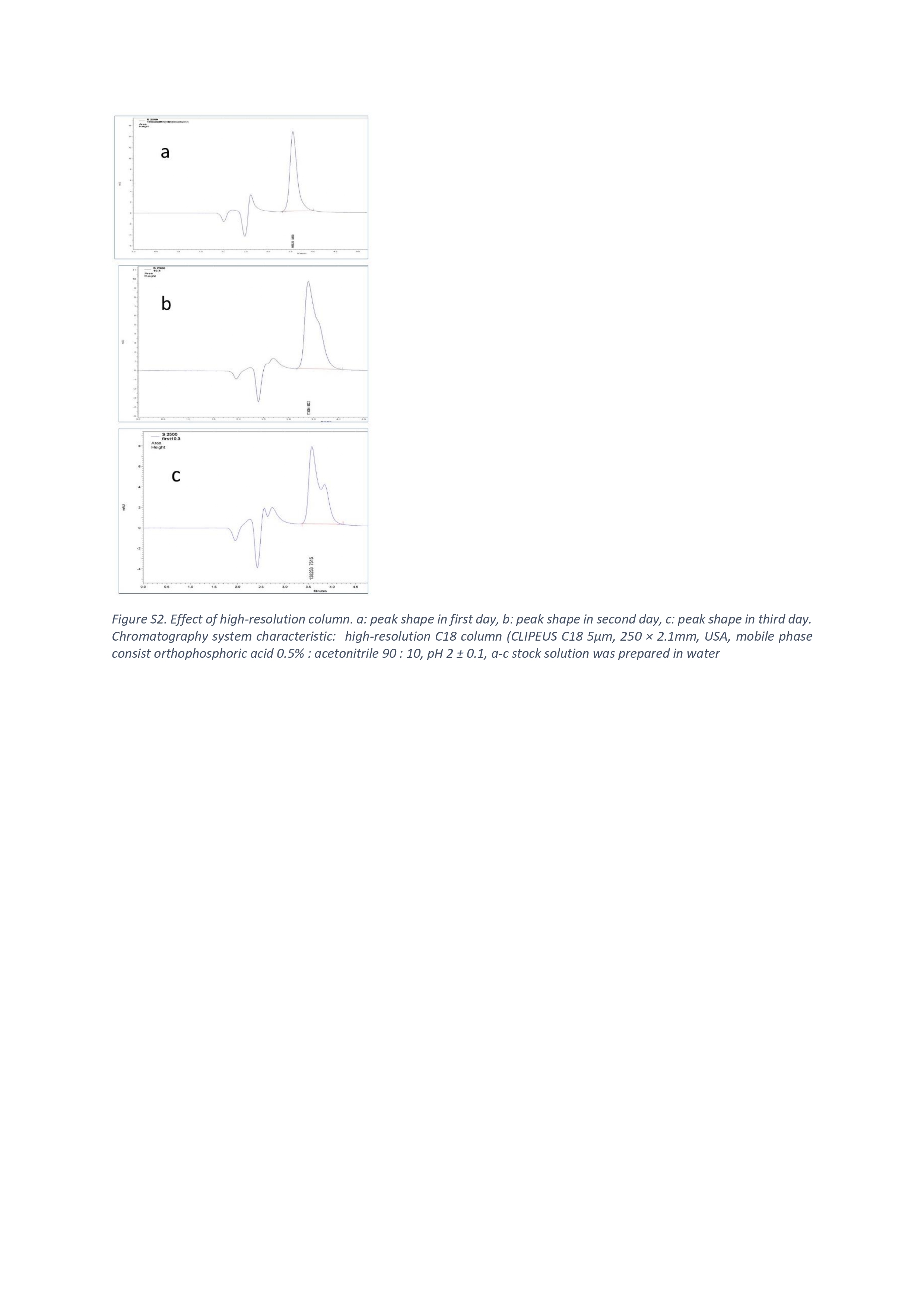
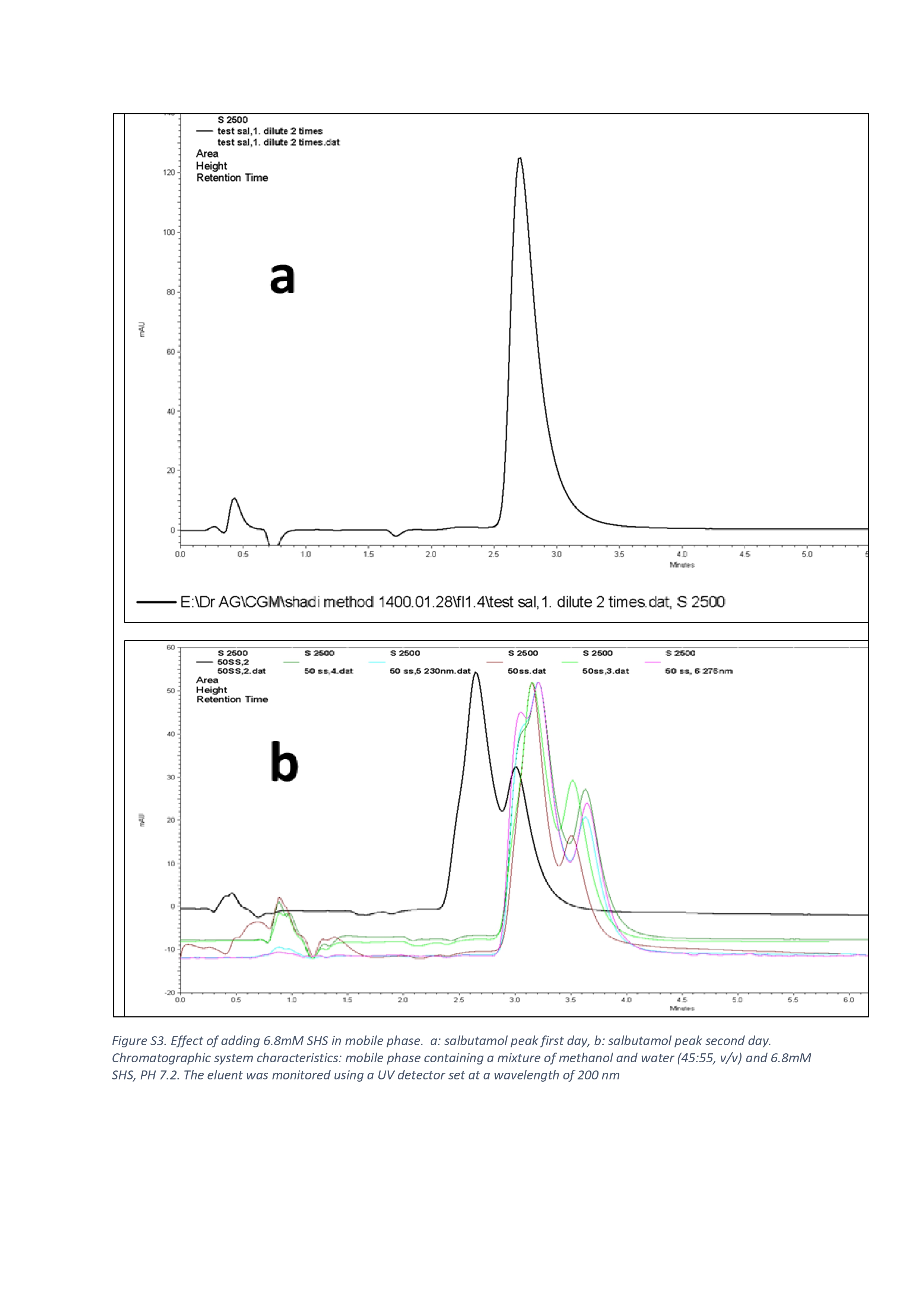
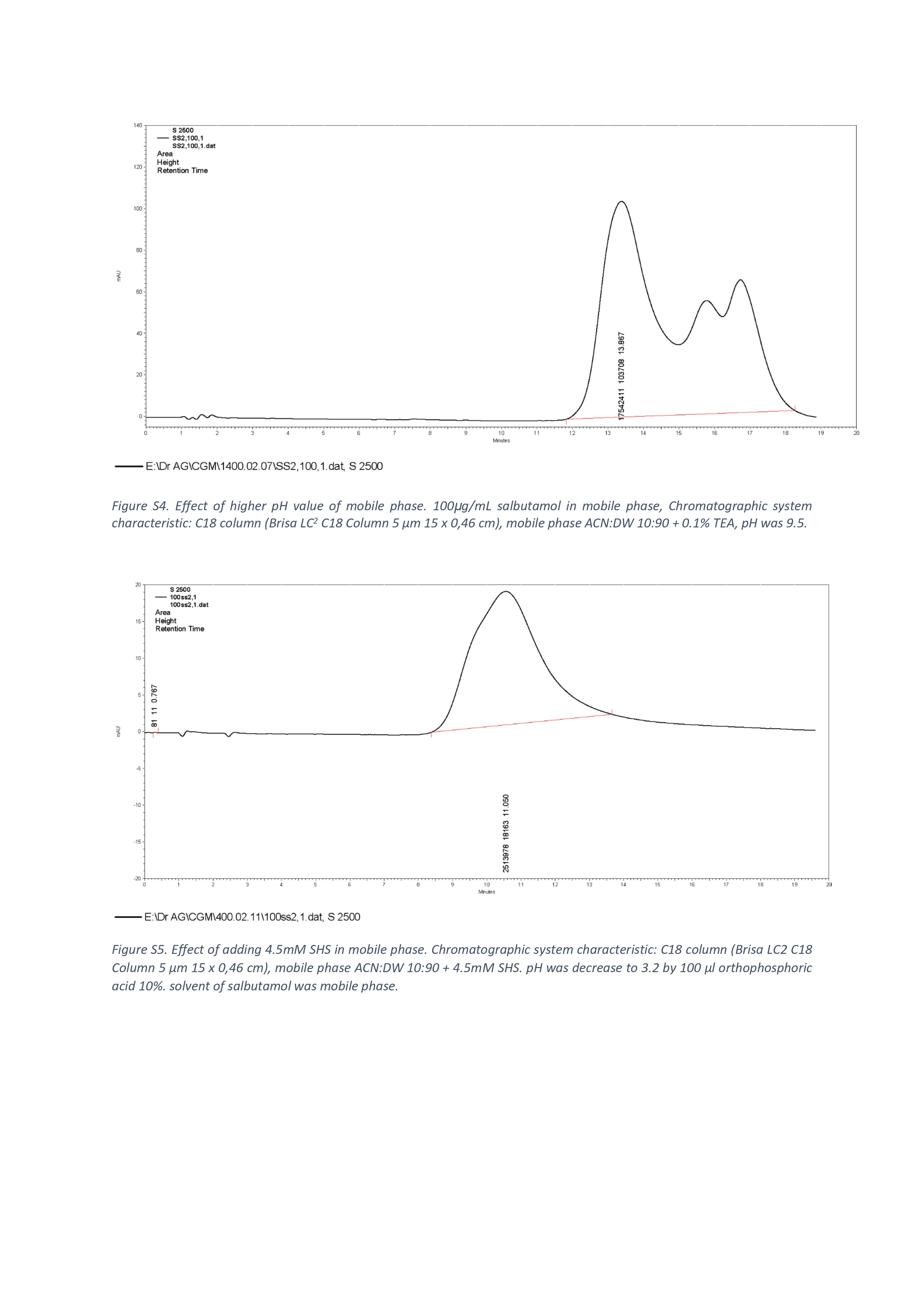
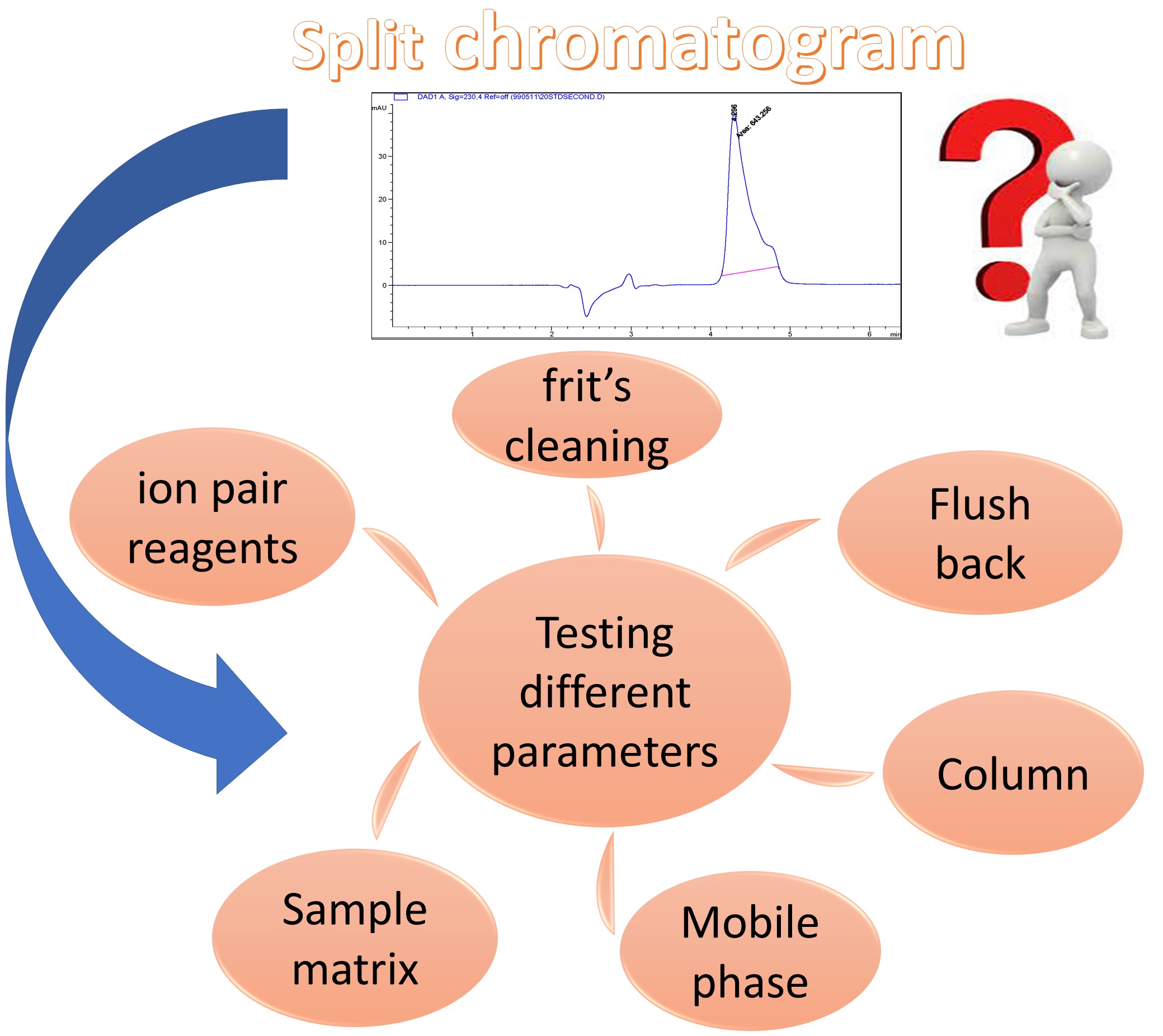
When cationic basic compounds are chromatographed using hydro-organic mobile phase, the presence of anionic free silanols in the silica-based stationary phases results in broad and asymmetrical peaks. The addition of an ionic reagent to the mobile phase prevents analytes from accessing free silanols, improving peak shape. In this study, the chromatographic behavior of salbutamol sulfate as a basic compound was investigated under various conditions, including the use of different columns, mobile phases, and ion-pair reagents such as triethanolamine (TEA) and sodium heptane sulfonate (SHS). The retention and peak shape of chromatograms were both evaluated. The results show that pre-conditioning the column with TEA and including it in the mobile phase can prevent cationic analytes from accessing anionic silanols, resulting in improved peak shape. Furthermore, buffering the mobile phase is an important factor in keeping the pH constant throughout the process. The chosen method was validated in part. This study could be helpful for researchers and analyst to solve such problems with cationic basic components.






This website recommended the use the Chrome browser for journal website.
_page-0001.jpg)
_page-0002.jpg)
_page-0003.jpg)
_page-0004.jpg)
_page-0005.jpg)
_page-0006.jpg)
_page-0007.jpg)