


- ENGLISH
- E-ISSN2982-8007
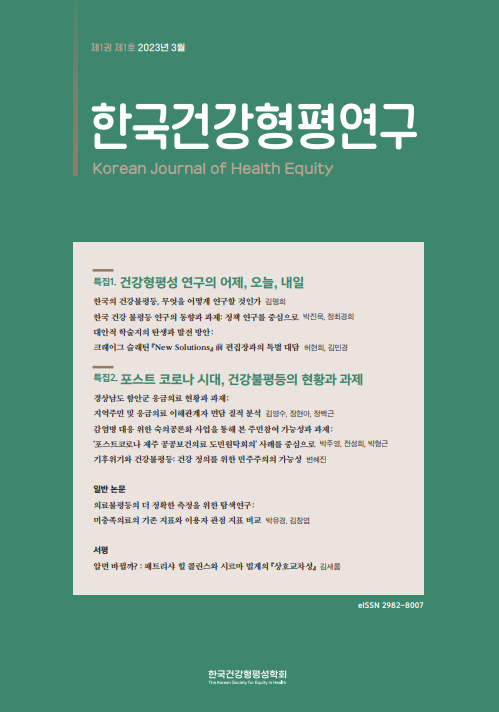
‘영향받는 자’의 권리: 인공지능에 대한 인권기반접근 ― 장여경 정보인권연구소 상임이사와의 대담
The Rights of the “Affected person”: A Human Rights-Based Approach to Artificial Intelligence ― An Interview with Yeo-Kyoung Chang, Institute for Digital Rights


초록
이 글은 2026년 1월부터 인공지능기본법이 시행됨에 따라 인공지능에 대한 바람직한 법제도적 접근 방안을 알아보기 위하여 정보인권연구소 장여경 상임이사와 나눈 인터뷰이다. 인공지능기본법 입법과정은 과기부와 산업계의 주도로 급속히 진행되며, 정보인권전문가 및 시민사회와 충분한 논의가 이루어지지 못했다. 한국 인공지능기본법의 가장 큰 문제는 AI를 직접 사용하는 병원이나 기업 등 이용자를 면책시킨 점이다. 인공지능에 대한 인권기반접근의 핵심은 ‘영향받는 자(affected person)’ 개념이다. 이는 AI 개발자나 이용자를 넘어, AI 시스템의 영향을 실제로 받는 사람들(예: 암 진단 도구를 적용받는 환자, AI 채용 대상자)을 권리 주체로 설정하는 것이다. 인권기반접근은 세 가지 층위의 권리화를 제안한다. 첫째, 데이터에 대한 권리로서 AI학습 사실에 대한 알 권리와 옵트아웃 권리, 둘째, 알고리즘에 대해 설명받을 권리와 기업의 문서화 의무, 규제기관의 조사권, 셋째, 분야별 장기적 영향에 대한 권리가 바로 그것이다. 실효성 있는 인권영향평가를 위해서는 영향받는 사람들의 민주적 참여가 보장되어야 하며, 산업적 관점에서 주도하는 부처 단독이 아닌 국가인권위원회의 개입이 필수적이다. 또한 빅테크 기업의 권력 구조에 대응하기 위해 분야를 넘어선 시민사회 연대와 독립적 연구 환경 구축이 시급하다.
- keywords
- 인공지능기본법, 인공지능에 대한 인권기반접근, 인권영향평가, 영향받는 자, 플랫폼 노동법
Abstract
This article is an interview with Yeo-Kyoung Chang, executive director of the Institute for Digital Rights, to find out a desirable legal and institutional approach to artificial intelligence as the Framework Act on Artificial Intelligence comes into effect in January 2026. The legislative process for the Framework Act on Artificial Intelligence is progressing rapidly, led by the Ministry of Science and Technology and industry, and sufficient discussions have not been held with information human rights experts and civil society. The biggest problem with Korea’s Artificial Intelligence Framework Act is that it exempts users such as hospitals and companies that directly use AI. At the heart of a human rights-based approach to AI is the concept of the “affected person.” This approach establishes those who are actually affected by AI systems (e.g., patients using cancer diagnostic tools or potential AI recruiters) as rights holders, beyond AI developers and users. This human rights-based approach proposes three layers of rights: first, the right to data, including the right to know about AI learning and the right to opt out; second, the right to receive explanations and documentation of algorithms, along with the right to regulatory investigation; and third, the right to long-term impacts across sectors. For effective human rights impact assessments, the democratic participation of those affected must be guaranteed. The intervention of the National Human Rights Commission, rather than a single ministry driven by industry perspectives, is essential. Furthermore, to counter the power structures of big tech companies, cross-sectoral civil society solidarity and the establishment of an independent research environment are urgently needed.
- keywords
- Artificial Intelligence Framework Act, Human Rights-Based Approach to AI, Human Rights Impact Assessment, Affected person, Platform Labor Law
- 다운로드 수
- 조회수
- 0KCI 피인용수
- 0WOS 피인용수