open access
메뉴
 Current Therapeutic Approaches for Hutchinson-Gilford Progeria Syndrome
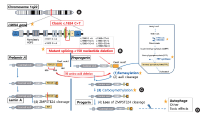
Hutchinson-Gilford Progeria Syndrome (HGPS; OMIM #176670) is a rare genetic disorder characterized by accelerated aging beginning in infancy. It is primarily caused by a de novo point mutation in the LMNA gene (c.1824C>T; p.G608G), which results in the production of progerin that disrupts nuclear integrity and promotes cellular senescence. The identification of LMNA gene has led to significant advances in targeted therapeutic research in the past 20 years. In this review, we will outline the pathophysiology of HGPS, and discuss the mechanism based therapeutic strategies, including recent approval drug, lonafarnib. We also address the multidisciplinary approach in the comprehensive management of patients with progeria.
 Feasibility of Artificial Intelligence-based Severity Assessment Technique Using Stimulated Muscle Contraction Signal in the Patients with Spinal Muscular Atrophy
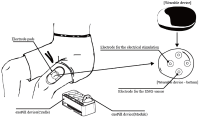
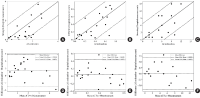
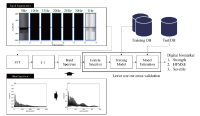
*Background: The Hammersmith Functional Motor Scale-Expanded (HFMSE) is a clinical instrument used to evaluate motor function in the patients with spinal muscular atrophy (SMA). Conventional approaches, such as the manual muscle test (MMT), are often used to assess muscle strength. We propose a severity assessment technique for patients with SMA using the stimulated muscle contraction signal (SMCS), a quantitative technique to evaluate the severity of the disease by synthesizing functional motor assessment and muscle strength. The objective of the present study is to demonstrate the feasibility of the severity assessment technique using electrical stimulation signals. *Methods: A severity assessment index has been defined, including both functional motor assessment score and muscle strength. The methodology employed entails the acquisition of bio-signals related to the condition of the neuromuscular system, followed by a feature extraction procedure. The bio-signals are processed through this procedure, yielding an extracted feature vector that is subsequently fed into an artificial intelligence (AI) model. This ultimately results in the assessment of severity. In addition, since the index for severity encompasses both the functional motor assessment score and muscle strength, we also verified whether the AI model could estimate each index. *Results: The performance of the proposed technique was validated using a database consisting of 21 patients with SMA. The comparison between the model's estimated values and the labeled values based on a Pearson correlation showed a coefficient of 0.76. *Conclusion: The proposed technique was able to estimate the two indices, thereby demonstrating its capability to effectively estimate the defined severity index.