


- ENGLISH
- P-ISSN1226-6396
- E-ISSN2234-4942
- KCI

36권 3호
초록
Abstract
Objectives: The study evaluates the reliability and validity of the Pattern Identification Tool for Cognitive Disorders (PIT-C Ver 2.1) and examines its correlation with related scales. Methods: This research is a single-group, prospective, observational study involving male and female participants aged 45 to 85 years diagnosed with neurocognitive disorders according to DSM-5 criteria. A total of 60 participants with a Clinical Dementia Rating (CDR) of 0.5 or 1 and a Korean Version of the Montreal Cognitive Assessment (MoCA-K) score of ≤22 were included. The study assessed the inter- rater and test-retest reliability of the PIT-C (Ver 2.1) and explored its correlation with other related scales. Results: 1. The PIT-C (Ver 2.1) demonstrated moderate to excellent reliability for classifying and scoring cognitive disorder patterns, supported by Kappa and Pearson analyses indicating consistency. 2. Qi deficiency and Phlegm-retained fluid patterns showed acceptable to good consistency, while Yin deficiency and Fire-heat patterns exhibited poor to unacceptable consistency. 3. Qi deficiency pattern scores strongly correlated with traditional Korean patterns of Blood stasis due to Qi stagnation and Dual deficiency of Qi and blood. Other pattern scores also displayed significant associations with their respective traditional Korean diagnostic categories. 4. Qi deficiency scores were positively correlated with KIADL and CDR assessments, suggesting a link between Qi deficiency and more severe cognitive and functional impairments. Conclusions: The PIT-C Ver 2.1 demonstrates reliable diagnostic capabilities for categorizing cognitive impairments within the framework of traditional Korean medicine. Its effective correlation with established diagnostic tools indicates its potential utility in clinical settings for the personalized management of neurocognitive disorders.
초록
Abstract
Objectives: To assess the effects of a brief counseling training program on communication self-efficacy and empathy among Korean medical students. Methods: Forty-six fourth-year medical students from Korea engaged in an 8-hour training program spread over four days, which emphasized three key counseling skills: empathy, self-disclosure, and confrontation. Communication self-efficacy was evaluated using the Self-Efficacy Questionnaire-12 (SE-12), while empathy was measured with the Jefferson Scale of Empathy—Student version (JSE-S). Pre- and post-training scores were compared using paired t-tests, and differences based on sex and baseline scores were analyzed with independent t-tests. Results: SE-12 scores showed a significant increase, rising from 84.74±12.90 to 93.85±12.61 (mean change: 9.10±13.62, p<.001). Notably, the lower baseline group demonstrated greater improvement (16.64±12.76) compared to the higher baseline group (2.59±10.02, p<.001). JSE-S scores also significantly improved from 101.89±13.40 to 105.76±14.47 (mean change: 3.87±10.94, p=0.021), although differences by sex and baseline score group were not statistically significant. Analysis at the item level revealed significant improvements in 10 of the 12 SE-12 items and 5 of the 20 JSE-S items. Conclusions: The brief counseling training program significantly enhanced communication self-efficacy and empathy. Further studies with long-term follow-up are recommended.
초록
Abstract
Objectives: Traditional evidence-based medicine (EBM) education often presents research as a finished product, which can obscure the dynamic inquiry process and limit students’ understanding of longitudinal decision-making. Because authentic research notes are rarely accessible, generative artificial intelligence (AI) can simulate the thought processes of researchers. This study evaluated the educational potential of a novel AI system that generates simulated research notes based on academic papers. Methods: A cross-sectional survey was conducted with 16 EBM faculty members from Korean medicine colleges. Participants engaged in a hands-on evaluation of a web-based system (utilizing Google Gemini 1.5 Flash API) that generates simulated research notes. A mixed-methods questionnaire comprising 23 Likert-scale items across six domains and six open-ended questions was used for the evaluation. Results: Participants provided moderately positive ratings, with ‘Educational Effectiveness’ (mean 3.97±0.84) and ‘Overall Assessment’ (3.97±0.96) receiving the highest scores. The system’s ability to portray researcher concerns realistically was also well-rated (4.19±0.83), while ‘Practical Applicability’ received the lowest score (3.70±1.01). Qualitative analysis confirmed the system’s educational novelty but highlighted significant concerns regarding AI reliability, including factual inaccuracies, and generated suggestions for practical implementation. Conclusions: This proof-of-concept study demonstrates that AI-generated research note simulations address a gap in process-oriented EBM learning. Faculty acknowledged its conceptual value for teaching longitudinal research thinking; however, substantial technical reliability and implementation challenges must be addressed before it can be utilized by students. While technical limitations may improve with advancements in AI, specific educational challenges require focused pedagogical research. Future efforts should prioritize content accuracy and instructional design for effective classroom integration.

초록
Abstract
Objectives: Mild cognitive impairment (MCI) serves as a transitional stage leading to Alzheimer’s disease and shows limited responsiveness to standard Alzheimer’s treatments. This Delphi study involving experts from Korea and China aimed to identify potential herbal formulas and scalp electroacupuncture acupoints for combined therapy to help prevent cognitive decline in MCI. Methods: A questionnaire assessing the cognitive enhancement effects of herbal formulas and scalp electroacupuncture was created using the RAND/UCLA 9-point scale. Literature was sourced from PUBMED, NDSL, OASIS, KMBASE, and CNKI, alongside traditional Korean medicine dementia guidelines. Consensus was evaluated using the interpercentile range adjusted for symmetry method. A panel of ten experts from Korea and China participated, with two rounds of online surveys conducted. Items lacking consensus in the first round were supplemented with additional information for reevaluation in the second round. Results: In the first round, consensus was reached on nine herbal formulas, two combinations of scalp electroacupuncture acupoints, and one safety-related acupoint item as suitable for enhancing cognition in MCI. Although Samhwangsasim-tang did not achieve consensus initially, it was reassessed in the second round with added information, resulting in a consensus that its effects remained uncertain. Conclusions: The two-round Delphi process yielded agreement on the following herbal formulas for consideration in MCI: Boyanghwano-tang, Jujadokseo-hwan, Jihwang-eumja, Guibi-tang, Yukmijihwanghwan, Ondam-tang, Palmul-tang, Banhasasim-tang, and Palmijihwang-tang. Electroacupuncture treatment was recommended at the acupoints EX-HN1, GV20, GV24, and GB20.

초록
Abstract
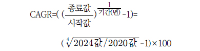
Objectives: This study examined patient counts and healthcare costs for depression, anxiety disorder, panic disorder, and post-traumatic stress disorder (PTSD) in Korea from 2020 to 2024. Cost growth was decomposed into patient-count and per-capita cost effects, with attention to demographic disparities and an integrative interpretation that includes traditional Korean medicine. Methods: We conducted a retrospective analysis using national health insurance claims (2020∼2024). Indicators included patient counts and total and per-capita costs. Growth rates and Shapley decomposition were applied to identify structural drivers, with additional gender- and age-specific analyses. Results: Between 2020 and 2024, depression cases rose by 32.41% and costs by 64.69%, driven mainly by patient expansion (62.99%). Anxiety disorder showed smaller patient growth (20.76%) but the largest rise in per-capita costs (+26.82%), indicating intensified treatment. Panic disorder and PTSD grew by 25.0∼25.7%, with cost increases largely explained by patient numbers. Across all disorders, women—especially adolescents and young adults—showed the steepest growth, underscoring vulnerability. These patterns paralleled global trends but were amplified in Korea by high healthcare accessibility and repeated disaster exposure. Conclusions: Mental health costs increased through distinct pathways: patient expansion for depression, panic disorder, and PTSD, and rising treatment intensity for anxiety disorder. The heightened vulnerability of adolescent and young adult women highlights the need for targeted interventions. By combining biomedical and traditional Korean medicine perspectives, this study offers evidence for cost-effective, population-specific policies.



초록
Abstract
Objectives: To evaluate the effectiveness and safety of cognitive-behavioral therapy (CBT) for functional dyspepsia (FD), including metacognitive therapy (MCT), dialectical behavior therapy (DBT), and mindfulness-based cognitive therapy (MBCT), applied either as monotherapy or in combination with pharmacological treatments. Methods: We systematically reviewed randomized controlled trials (RCTs) published since 2010 in English, Chinese, and Korean databases. Eligible studies included adults with FD and compared CBT alone or in combination with drugs against drug monotherapy or usual care. Meta-analysis was conducted when interventions and outcomes were comparable; otherwise, a narrative synthesis was performed. The risk of bias was assessed using the Cochrane tool. Results: Nine RCTs (n=831) were included. One trial of CBT alone demonstrated improvements in anxiety and dyspeptic symptoms compared to controls. Most trials investigated CBT approaches in conjunction with drugs, yielding greater reductions in anxiety and depression, improved gastrointestinal symptom scores, and enhanced disease-specific quality of life compared to drugs alone; one trial noted benefits lasting for six months. Across the various modalities, MBCT tended to enhance quality of life and mindfulness, MCT was effective in reducing anxiety, and DBT improved emotion regulation and gastrointestinal relief. Adverse events were rare and generally mild. Key limitations included incomplete reporting of allocation concealment and assessor blinding, small sample sizes, single-center designs, and variability in concomitant medications and outcomes. Conclusions: CBT approaches offer clinically meaningful benefits for FD, both as monotherapy and, more robustly, as adjuncts to pharmacotherapy, with an acceptable safety profile. However, concerns regarding risk of bias and heterogeneity limit certainty. Future research should involve larger, well-designed multicenter RCTs with standardized protocols and long-term follow-up.
초록
Abstract
Objectives: To introduce the clinical effects of Mindfulness and Loving Beingness (M&L) psychotherapy applied to two patients diagnosed with Acute Stress Disorder (ASD). Methods: Two ASD patients—one following an elevator entrapment and the other after a traffic accident—received three and five M&L psychotherapy sessions, respectively. Changes in ASD symptoms were measured using the Korean version of the Impact of Event Scale-Revised (IES-R-K), the Beck Anxiety Inventory (BAI), and the State-Trait Anxiety Inventory (STAI). The Core Seven Emotions Inventory-Short Form (CSEI-S) and the Beck Depression Inventory (BDI) were used to assess broader emotional changes. Additional outcomes included the Insomnia Severity Index (ISI), EuroQol-5 Dimension-5 Level (EQ-5D-5L), Numeric Rating Scale (NRS), and Patient Global Impression of Change (PGIC). Results: Both patients reported clinical improvements in BAI, STAI, CSEI-S, ISI, EQ-5D-5L, and NRS. Some increases in negative emotional scores on the CSEI-S and BDI were interpreted as evidence of improved self-awareness. The PGIC indicated satisfaction with treatment progress. Conclusions: M&L psychotherapy may be effective for treating ASD by enhancing emotional integration and positive self-perception.
초록
Abstract
Objectives: This case report investigates the effectiveness of Korean medicine in treating insomnia characterized by hemibody heat sensation and sweating, which is associated with central post-stroke pain (CPSP) following a corona radiata infarction. Methods: A 67-year-old male patient underwent comprehensive Korean medicine treatment, including acupuncture, moxibustion, and personalized herbal prescriptions mainly based on Hwangyeonagkyo-tang and its modifications. Sleep quality was assessed using the Korean version of the Pittsburgh Sleep Quality Index (PSQI-K), while hemibody heat sensation and sweating were retrospectively measured with the Hyperhidrosis Disease Severity Scale (HDSS) and a 4-point Thermal Sensation Rating Scale. Results: After treatment, the PSQI-K score improved from 14 to 5, along with a significant reduction in heat sensation and sweating. The inter-rater reliability for retrospective quantification was confirmed. Conclusions: This case demonstrates the potential of Korean medicine, particularly Hwangyeonagkyo-tang, in managing insomnia related to CPSP in patients with corona radiata infarction.
초록
Abstract
Objectives: This case report details a patient diagnosed with traffic accident–induced acute stress disorder (ASD) who initially underwent Korean medicine therapy. Due to limited improvement from the initial treatment, Mindfulness and Loving Beingness (M&L) psychotherapy was later incorporated, and changes in symptoms were evaluated. Methods: The patient received various Korean medicine therapies, including herbal medicine, acupuncture, pharmacopuncture, and cupping therapy. On the fifth day of hospitalization, M&L psychotherapy was introduced. Symptom changes were assessed using the post-traumatic stress disorder (PTSD) Checklist for DSM-5–Korean version (PCL-5-K), Insomnia Severity Index (ISI), Beck Anxiety Inventory (BAI), Numerical Rating Scale (NRS), EuroQol 5-Dimension (EQ-5D), and Patient Global Impression of Change (PGIC). Results: Post-treatment, reductions in PCL-5-K, ISI, and BAI scores indicated improvements in trauma-related sleep disturbances and anxiety symptoms. Additionally, enhancements were noted in NRS, EQ-5D, and PGIC scores, reflecting positive changes in physical discomfort, quality of life, and overall treatment satisfaction. Conclusions: This case indicates that incorporating M&L psychotherapy with Korean medicine may enhance symptom improvement in a patient with traffic accident–induced acute stress disorder who had a limited response to Korean medicine alone.
초록
This study presents a case of severe alcohol use disorder that improved through a mind-body integration approach in Korean medicine. The patient, a male with a 30-year history of chronic alcohol consumption, was treated for alcohol use disorder, throat-to-chest pain, and insomnia using a combination of herbal medicine, acupuncture, auricular acupuncture, pharmacopuncture, and Korean medicine psychotherapy. Assessment tools employed included the Alcohol Use Disorders Identification Test-Korean version (AUDIT-K), the Clinical Institute Withdrawal Assessment for Alcohol-revised (CIWA-Ar), the Pittsburgh Sleep Quality Index (PSQI), the Insomnia Severity Index (ISI), the Pattern Identification Tool for Insomnia (PIT-Insomnia), and liver function tests (LFT). Over the course of seven months of treatment, the patient maintained abstinence, resolved his throat-to-chest pain, and normalized his liver function tests. Significant reductions were observed in the CIWA-Ar, AUDIT-K, ISI, PSQI, and PIT-Insomnia scores. Furthermore, the patient experienced mind-body integration and improved family and social relationships. We conclude that integrative Korean medicine treatment is effective for addressing alcohol use disorder.
Abstract
This study presents a case of severe alcohol use disorder that improved through a mind-body integration approach in Korean medicine. The patient, a male with a 30-year history of chronic alcohol consumption, was treated for alcohol use disorder, throat-to-chest pain, and insomnia using a combination of herbal medicine, acupuncture, auricular acupuncture, pharmacopuncture, and Korean medicine psychotherapy. Assessment tools employed included the Alcohol Use Disorders Identification Test- Korean version (AUDIT-K), the Clinical Institute Withdrawal Assessment for Alcohol-revised (CIWAAr), the Pittsburgh Sleep Quality Index (PSQI), the Insomnia Severity Index (ISI), the Pattern Identification Tool for Insomnia (PIT-Insomnia), and liver function tests (LFT). Over the course of seven months of treatment, the patient maintained abstinence, resolved his throat-to-chest pain, and normalized his liver function tests. Significant reductions were observed in the CIWA-Ar, AUDIT-K, ISI, PSQI, and PITInsomnia scores. Furthermore, the patient experienced mind-body integration and improved family and social relationships. We conclude that integrative Korean medicine treatment is effective for addressing alcohol use disorder.
초록
Abstract
Objectives: Delayed encephalopathy after acute carbon monoxide poisoning (DEACMP) is a neurological complication that can occur following a pseudo-recovery phase after acute carbon monoxide poisoning (ACMP). Current treatments, such as Hyperbaric Oxygen (HBO) therapy and various pharmacological agents for DEACMP, have shown limited effectiveness. Given the reported benefits of East Asian herbal medicine (EAHM) in managing cerebral ischemia through antioxidant, anti-inflammatory, and anti-apoptotic mechanisms, EAHM may offer therapeutic potential for DEACMP. However, no systematic reviews of the clinical reports on this topic have been conducted thus far. This review aims to analyze the efficacy and safety of EAHM in patients with DEACMP. Methods: We will search eleven electronic databases and review randomized controlled trials of EAHM in patients with DEACMP. Results: The primary outcomes will include scores from the Mini-Mental State Examination and the Montreal Cognitive Assessment. The Cochrane risk-of-bias tool will be used for quality assessment. A meta-analysis will be conducted to evaluate the efficacy and safety of EAHM in this patient population. Conclusions: This review will provide clinical evidence regarding the efficacy and safety of EAHM for patients with DEACMP. The findings will be beneficial for clinicians and researchers involved in the care of these patients and will inform the design of future clinical studies.