_3200-704_투명.png)
- ENGLISH
- E-ISSN3058-311X
2권 1호

초록
본 논문은 인공지능(AI) 시대를 맞아 국가지식문화자원 데이터 허브로서 국립중앙도서관의 역할을 조명하였다. AI 시대 지식정보 패러다임의 전환을 개관하고, 데이터 허브로서 주요 해외 국가도서관의 사례를 분석하였다. 이어서 국립중앙도서관의 데이터 구축 현황과 서비스 유형, 데이터의 특성(신뢰성, 포괄성, 다양성, 개방성, 확장성, AI 활용성 등)을 제시하고, 데이터 허브로서의 기능 강화를 위한 네 가지 전략 방향을 제안하였다. 본 논문은 국립중앙도서관의 데이터 기반 기능을 재조명함으로써, 국가 차원의 AI 학습 데이터 생태계 구축을 위한 기초 자료로 기여하기를 기대한다.
Abstract
This study examines the role of the National Library of Korea (NLK) as a key institution for managing national knowledge and cultural resources and as a central data hub in the era of artificial intelligence (AI). It begins by reviewing the paradigm shift in knowledge and information systems driven by AI technologies and investigates the responses of leading national libraries worldwide that have adopted data hub functions. The paper then outlines the NLK’s current status in terms of data construction, service provision, and the characteristics of its data resources, including reliability, comprehensiveness, diversity, openness, scalability, and applicability to AI training. Based on this analysis, the study proposes four strategic directions to enhance the NLK’s capacity as a national data hub. This research aims to provide foundational insight for building a national-level AI training data ecosystem and to reposition the NLK as a core infrastructure for AI-driven knowledge innovation.
초록
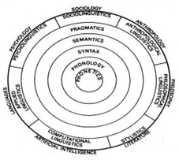
디지털 시대는 인문학에 새로운 가능성을 열어주었으며, 특히 컴퓨터 기술과 융합한 디지털 인문학이 부상하고 있다. 디지털 인문학의 효시는 ‘인문전산학’으로, 로베르토 부사 신부의 중세 라틴어 색인 작업에서 시작되었다. 초기 디지털 인문학은 전산언어학 및 컴퓨터공학과 함께 언어학, 고고학 등의 통계자료 처리에 활용되었으나, 컴퓨터 성능의 한계로 텍스트 색인 및 2차 가공에 머물렀다. 그러나 1980년대 이후 컴퓨터 성능 향상과 전산언어학의 발전으로 디지털 인문학은 대규모 데이터 기반 연구가 가능해졌고, 디지털 자원 구축 및 관리, 텍스트 분석, 데이터 시각화 등의 분석 방법이 발전했다. 2000년대 이후 빅데이터와 생성형 AI의 등장으로 디지털 인문학은 더욱 발전하여 독립된 학문 분야로 나아가고 있다. 언어학은 인문학적이면서도 자연과학적인 특성을 지닌 융복합 학문이며, 특히 전산언어학은 디지털 시대의 인문학에 최적화된 분야이다. 디지털 기술 도입으로 언어학은 코퍼스 기반 연구, 전산 실험 언어학, 디지털 기록 보존 및 분석 등 방법론과 연구 대상을 확장하고 있다. 전산언어학은 텍스트 분석, 의미 분석, 정보 추출 등을 통해 인문학 연구자가 방대한 언어 데이터를 효율적으로 탐색하고 의미 있는 통찰력을 도출하는 데 핵심적인 역할을 수행한다. 디지털 인문학과 전산언어학의 융합은 문학, 역사, 철학, 고고학 등 다양한 인문학 분야에서 새로운 연구 성과를 창출하고 있다. 향후 연구에서는 융합적 접근을 심화하고, 디지털 데이터 활용의 윤리적 문제 등을 고려하며, 디지털 시대의 언어 기술 발전에 따른 사회적 책임을 논의해야 할 것이다. 언어학과 전산언어학은 지속적인 연구와 혁신을 통해 ‘디지털 인문학’ 분야에 중요한 영향을 미칠 것으로 기대된다.
Abstract
The digital age has ushered in new possibilities for the humanities, particularly with the emergence of digital humanities, which integrates computer technology. The precursor to digital humanities was "humanities computing," originating with Father Roberto Busa's indexing of medieval Latin. Early digital humanities, alongside computational linguistics and computer science, were applied to statistical data processing in linguistics and archaeology. However, limited computer capabilities restricted its use to text indexing and secondary processing. The 1980s witnessed advancements in computer performance and computational linguistics, enabling large-scale data-driven research in digital humanities. This led to the development of digital resource construction and management, text analysis, and data visualization methods. The advent of big data and generative AI in the 2000s further propelled digital humanities, establishing it as an independent academic field. Linguistics, a hybrid discipline with both humanistic and natural scientific characteristics, finds an optimized application in computational linguistics within the digital humanities. The introduction of digital technology has expanded linguistic methodologies and research subjects to include corpus-based research, computational experimental linguistics, and digital record preservation and analysis. Computational linguistics plays a crucial role in enabling humanities researchers to efficiently explore vast linguistic data and derive meaningful insights through text analysis, semantic analysis, and information extraction. The convergence of digital humanities and computational linguistics is generating new research outcomes across diverse humanities fields such as literature, history, philosophy, and archaeology. Future research should deepen this integrated approach, consider the ethical implications of digital data utilization, and address the social responsibilities arising from the advancement of language technology in the digital age. Through continuous research and innovation, linguistics and computational linguistics are expected to significantly influence the field of digital humanities.
초록
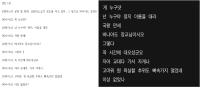
해당 연구는 문학 텍스트 셰익스피어의 『햄릿(Hamlet)』한글 번역본을 바탕으로 감성사전 기반과 인공신경망 RNN 기 반 의 두가지 감성분석(sentiment analysis)을 수행한다. 두 결과를 바탕으로 특정 텍스트 복잡성에 따른 결과 도출의 적합성 및 오류의 정도를 비교하며, 전산기법의 적용이 어려워지는 구조와 사전기반 감성 분석과 RNN 기반 각각이 더 정확한 결과를 도출하는 문장에 특정 패턴의 여부를 관찰한다. 어휘기반과 구문 및 문법구조를 아우르는 총체적 기반으로 문장을 분석하는 각각의 방식을 비교대조한 결과를 통해 역으로 자연어 패턴이 이해, 처리 되는 주요 방식을 추론할 수 있으며 텍스트 복잡성을 인지하는데 있어서 전산적 분류결과와 직관적 관찰의 차이를 분석할 수 있다.
Abstract
This study conducts sentiment analysis on the Korean-translated text of Shakespeare’s Hamlet using two approaches: a lexicon-based method and a Recurrent Neural Network (RNN)-based method. By comparing the analytical outcomes of both approaches, the study evaluates their respective effectiveness in handling texts of varying linguistic complexity. Specifically, it investigates which types of lexical, syntactic or grammatical patterns lead to greater classification errors or reveal strengths in either model. And the research aims to uncover systematic tendencies where semantic-focused (lexicon-based) and syntax-aware (RNN-based) approaches diverge, thereby offering insights into the mechanisms of natural language comprehension in computational systems. Finally, by suggesting literary text as a crucial for evaluating and refining NLP methodologies, this work helps to comprehend the gap between intuitive human language interpretation and machine-based language processing.
초록
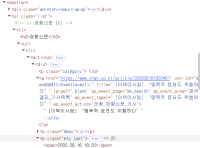
이 연구는 작가 박경리와 소설 『토지』의 수용을 대중의 문학 향유 행위로 보고, 대중적 문학 수용에 큰 영향을 미친 신문 기사를 연구 가능한 데이터로 구축한 사례를 소개한다. 연구자는 1955년 8월부터 2024년 8월까지 69년간 24종의 신문에 게재된 박경리와 『토지』 관련 기사를 AI 챗봇의 도움을 받아 수집·전처리하는 코드를 개발하여 데이터로 구축하였다. 이 사례는 인문학 연구자들이 디지털 도구와의 거리감을 줄이고, AI를 활용한 방법론을 통해 전통적인 문학 연구와 디지털 인문학 간의 간극을 좁힐 수 있음을 보여준다. 특히 한국문학 연구에서 상대적으로 소외되어 온 ‘대중 수용사’ 분야에 디지털 접근을 적용함으로써 새로운 연구 방법론의 가능성을 제시하며, 정성적 접근과 정량적 접근을 연결하는 시도로서 학문적 의의를 가진다.
Abstract
This study examines the reception of author Pak Kyongni and her novel Land (Toji) as a form of mass literary engagement and introduces a case of building a research-ready dataset from newspaper articles that significantly influenced this reception. The researcher collected and processed articles related to Pak Kyongni and Land, published across 24 newspapers from August 1955 to August 2024, by developing data collection scripts with the help of an AI chatbot. This case demonstrates how humanities researchers can reduce the perceived distance from digital tools and narrow the gap between traditional literary studies and digital humanities through AI-assisted methodologies. In particular, by applying digital approaches to the relatively underexplored field of "mass audience reception history" within Korean literary studies, this research suggests the potential for new methodological developments. It also highlights the academic significance of connecting qualitative and quantitative methods in literary research.