- P-ISSN2765-2203
- E-ISSN2765-2211
- KCI Candidate

Vol.6 No.3
Abstract
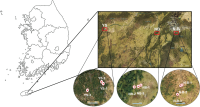
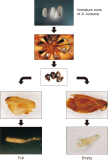
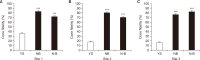
Environmental stress factors such as drought and elevated temperatures affect plant growth and pose a growing threat to sustainable ecosystems. Subalpine ecosystems are the most sensitive to stress. The Korean fir (Abies koreana) is an endemic species that is distributed in subalpine regions, such as the mountain summits of Mts. Halla, Jiri, and Deogyu in southern Korea. A. koreana is severely affected by environmental stress. Here, we performed a comparative analysis of cone fidelity in response to environmental stress by districts of A. koreana on Mt. Halla. Cone samples of A. koreana were harvested from an ecologically vulnerable region (Yeongsil) and two stable regions (Nambyeok and Nambyeok-Baeknokdam) on Mt. Halla. The decline in A. koreana in the Yeongsil region of Mt. Halla is rapidly increasing. Embryos of the cone samples were observed using an optical microscope and classified as full or empty embryos. The cone fidelity in the stable regions was approximately two to five times higher than that in the vulnerable regions. The stable regions exhibited similar cone-fidelity patterns. These results suggest that the cone fidelity of A. koreana is greatly affected by the environmental stress on Mt. Halla.

Abstract
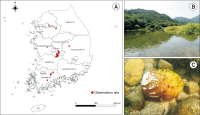
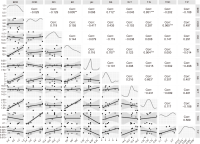
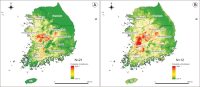
Aculamprotula coreana is a freshwater bivalve species, endemic to the Korean Peninsula that plays a vital role in maintaining aquatic ecosystem health through filter feeding. Historically, it was widely used in the domestic pearl farming industry, but rapid industrialization, water pollution, and river development have led to habitat degradation and a significant population decline. Although currently designated as a Class I endangered species by the Korean Ministry of Environment, research and conservation efforts remain limited. This study analyzes the habitat characteristics of A. coreana using occurrence data from 21 sites recorded between 1975 and 2022 and predicts its potential distribution using the MaxEnt model. Stream order, topographical features, and water quality parameters were used to evaluate habitat conditions, while 19 bioclimatic variables were applied to improve distribution prediction accuracy. The results show that A. coreana inhabits stable water environments in the mid to lower reaches of streams (orders 6-8) at elevations between 102 and 271 meters. The species is highly sensitive to turbidity-related factors such as biological oxygen demand, suspended solids, and total nitrogen, indicating that clean, stable water quality is essential for its survival. Among the bioclimatic factors, average summer temperature (BIO08) was identified as the most influential variable in predicting current distribution, suggesting that climate-driven increases in water temperature may be expanding suitable habitats. This study offers scientifically grounded insights into the species’ ecological requirements and potential habitats, providing a valuable foundation for field-based validation, targeted habitat restoration, and the development of effective conservation strategies
Abstract
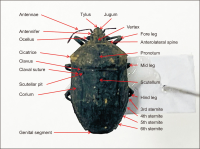
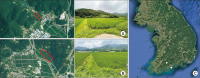
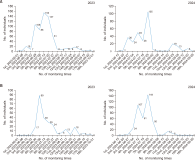
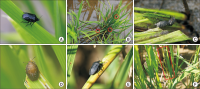
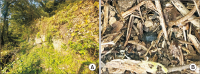
To determine a period for pest control, we surveyed the occurrence patterns of Scotinophara lurida in eco-friendly paddy fields between 2023 and 2024. The surveys were conducted once a week at two sites in Jeollanam-do, Yeosu Hwayang-myeon and Gokseong Seokgok-myeon, with three replicates per site. Monitoring began when rice planting was complete and continued until harvest. The overwintered generation of S. lurida first appeared between the second (June 8, 2023) and fourth (June 29, 2023) weeks after the rice transplantation was complete. Peak adult populations were recorded between the sixth (July 6, 2023) and seventh weeks (July 13, 2023, and July 25, 2024) after transplanting. The second generation of adults emerged between 10 (August 15, 2024) and 12 weeks (August 17, 2023) after transplanting and then moved to overwintering sites in early September, shortly following the highest occurrence peak. Based on the occurrence patterns of S. lurida, we suggest that control measures for S. lurida using eco-friendly agents or attractants be timed appropriately.
Abstract
Understanding insect diversity is crucial for establishing policies for conservation and ecosystem management. This study investigated seasonal variation in nocturnal insect diversity using bucket light traps across three forest types— coniferous, deciduous, and mixed forests—in Gimje, Jeollabuk-do, Republic of Korea. Surveys were conducted in spring, summer, and fall; 934 species and 13,531 individuals from 14 insect orders were collected. The highest numbers of species and individuals were recorded in summer and in the mixed forest. One-way analysis of variance revealed significant seasonal differences in the numbers of species and individuals (P<0.05), whereas forest-type differences were significant only for the number of species between coniferous and mixed forests. These findings suggest that surveys conducted in summer and in mixed forests are most effective for assessing insect diversity. The results provide a foundational reference for improving survey methodologies in the National Ecosystem Survey and for long-term biodiversity monitoring.
Abstract
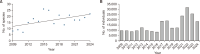
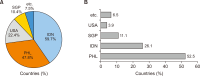
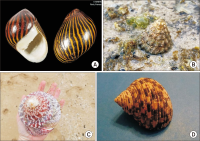
This study investigates the importation of ornamental and pet aquatic mollusks into South Korea from 2009 to 2024, updating the national list of alien mollusks and providing baseline data for ecological risk assessments and biosecurity strategies. A total of 240,898 individuals from 67 species, 26 families, 12 orders, and 3 classes were recorded. Gastropods were the most frequently imported, with 53 species, and major exporting countries included Indonesia, the Philippines, and the United States, with the highest number of imports from the Philippines. Frequently imported species such as Vittina waigiensis, Tectus fenestratus, and Turbo fluctuosus were mainly marine. Some species were listed in CITES Appendix II. Alien species like Pomacea canaliculata, Perna viridis, and Nassarius spp. pose ecological threats by competing with native species, disrupting food webs, and transmitting diseases. These findings provide essential data for managing invasive mollusks.
Abstract
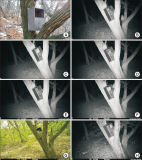
The Himalayan Owl (Strix nivicolum), a rare and endangered species in South Korea, had not previously been recorded using nest boxes. This study reports the first confirmed breeding of the Himalayan Owl in a nest box installed in South Korea. Within one month of installation, a breeding pair occupied the nest box, resulting in the successful fledging of two chicks. This finding demonstrates that breeding confirmation can contribute to the designation of Grade 1 areas under South Korea’s Ecological and Natural Map. Moreover, it emphasizes the potential of nest box installations in contributing to broader biodiversity goals that align with the Kunming-Montreal Global Biodiversity Framework, particularly by advancing other effective area-based conservation measures.