

- P-ISSN2765-2203
- E-ISSN2765-2211
- KCI Candidate
 ISSN : 2765-2203
Vol.6 No.4
Abstract
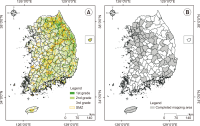
This study aimed to compare and analyze the institutional similarities and differences between the Ecological and Natural Map and the Urban Ecological Map, both of which serve as key instruments for Korea’s national environmental policy. In 2025, a systematic comparison was conducted focusing on map preparation methods, spatial coverage, data sources, classification criteria, legal frameworks, and public notification procedures. The analysis revealed that, although both maps share the common goal of conserving the natural environment, they differ structurally in terms of responsible authorities, evaluation systems, application methods, and legal effectiveness. To enhance the institutional utility of these tools, this study proposes several improvement measures: adjusting the scale of the Ecological and Natural (from 1:25,000 to 1:5,000), strengthening the review procedures for the Urban Ecological Map, clarifying legal standards for application, introducing an official notification system to increase the credibility of the maps, and systematizing the objection process for classification grades. These recommendations are expected to enhance both the policy applicability and legal validity of the two maps, thereby contributing to the overall effectiveness of national environmental policy.
Abstract
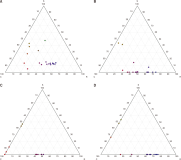
Coastal ecosystems along Korea's southwestern coast, where marine and terrestrial factors interact, support diverse plant communities with varying functional strategies. This study examined plant species composition and functional traits across four habitats: salt marshes, reclaimed land, sand dunes, and freshwater wetlands. Plant samples collected between 2018 and 2025 were analyzed using Grime's Competitor, Stress-tolerator, Ruderal (CSR) framework. Distinct CSR patterns emerged: salt marshes (SC/CR), reclaimed land (R/CR), freshwater wetlands (R/CR), and sand dunes (CR/CSR). Stress tolerance dominated in salt marshes, while disturbance-adapted species thrived in reclaimed land and freshwater wetlands. Sand dunes were characterized by specialists. Overall, CSR strategies shifted from stress tolerance to disturbance adaptation along the coastal-inland continuum. These findings highlight stress and disturbance as key drivers of community structure, providing insights for conservation and restoration efforts in coastal ecosystems facing climate change and human impacts.
Abstract
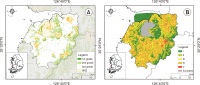
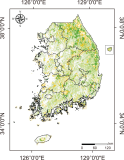
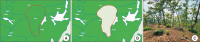
This study analyzes objections to the Ecological and Natural Map submitted to the National Institute of Ecology from 2014 to 2024 to evaluate the impacts of forest management on changes within the Ecological and Natural Map. Among 958 objection cases, 178 (18.58%) were related to forest management, accounting for 31.23% of the total objection area. Sites subjected to forest management showed notable decreases in Grade 1 areas (33.15%) and increases in Grade 3 areas (43.21%), indicating that forest management can reduce ecological value and accelerate downgrading within the Ecological and Natural Map. Some cases also revealed intentional management to induce map changes for development purposes. In response, the Ministry of Environment revised the 2024 guidelines to defer map re-evaluation for five years in managed areas; however, this may be insufficient considering longer forest recovery periods. The study provides empirical evidence linking forest management to ecological degradation and offers insights for policy improvement and sustainable land management.

Abstract
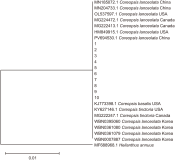
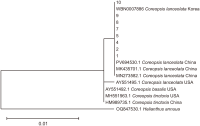
Unregulated trade of ornamental plants greatly increases the risk of species misidentification and ecological invasion. In Korea, Coreopsis lanceolata, a perennial species with high invasive potential, is widely distributed under the name Coreopsis basalis, which refers to an annual species with comparatively lower ecological risk. To address this issue, we examined national seed import records and conducted chloroplast DNA barcode analyses (rbcL and matK) of seeds sold as C. basalis. Import data revealed that most records were reported only at the genus level (Coreopsis spp.) without species-level verification. Molecular analyses further confirmed that all commercial “Geumgyegook (C. basalis)” seeds were genetically identical to Chinese populations of “Keungeumgyegook (C. lanceolata),” indicating that persistent misidentification stems from institutional shortcomings rather than taxonomic error. To prevent further spread of alien Coreopsis spp. and improve invasive species management in Korea, we propose strengthening species-level verification and implementing DNA barcode-based quarantine for seeds of alien plants designated as ecosystem-disturbing, potentially harmful, or import-alert species and those ranked Level 2 or higher in ecological risk assessments. Additionally, we recommend revising the seed import reporting system in cooperation with the Korea Seed & Variety Service and conducting a nationwide reassessment of coreopsis distribution. Further phylogenetic studies on diverse taxa within this genus are necessary to establish more precise management strategies.
Abstract
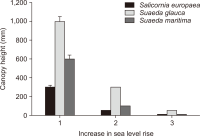
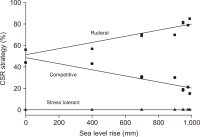
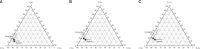
This study explores shifts in Competitor, Stress-tolerator, Ruderal (CSR) strategies among salt marsh halophytes in response to sea-level rise, focusing on changes in canopy height as a key ecological parameter. By applying the CSR model across varying canopy heights, we assessed how plant communities reorganize their life strategies under increased inundation. In Salicornia europaea, Suaeda glauca, Suaeda maritima, these transitions—R/CR→R, CR→R, and CR→R—reflect the erosion of competitive capacity and the growing dominance of ruderal strategies under stress from rising sea levels. The decline in competitive strategies underscores the fragility of these habitats, emphasizing the importance of ecosystem conservation.
Abstract
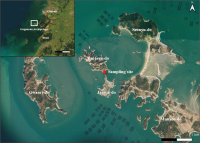
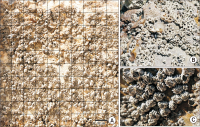
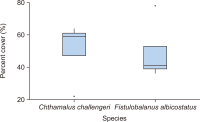
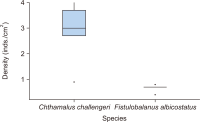
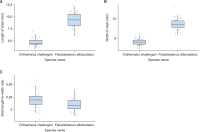
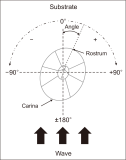
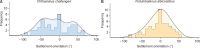
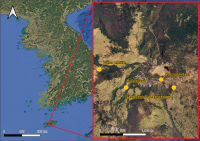
The natural mechanisms of permanent settlement of marine invertebrates inhabiting rocky intertidal zones (e.g., settlement orientation) are not well known. In this study, we measured the percent covers and densities of two different barnacle species, small-sized Chthamalus challengeri and medium-sized Fistulobalanus albicostatus in a highintertidal zone. Additionally, we analyzed the length/width ratios and orientations of the shells. The four parameters were compared between the two barnacle species. F. albicostatus (mean=49.4 %) showed a similar percent cover as C. challengeri (mean=51.6%) (P=0.915). However, the former species (mean=0.6 inds./cm2) showed a significantly lower density than the latter species (mean=2.8 inds./cm2) (P<0.05). The length and width ratio of F. albicostatus (mean=1.09) was significantly smaller than that of C. challengeri (mean=1.20) (P<0.001). Finally, the settlement orientations of the two species were approximately 0°. The mean settlement angles of F. albicostatus (mean=–2.34°) are smaller than that of C. challengeri (mean=–9.30°), although the difference was not statistically significant (P=0.287). These measurements suggest that the two species, particularly F. abicostatus, tend to avoid strong wave forces with nearvertical settlement angles. In the future, it will be necessary to consider the ideal structure of barnacles against strong wave impacts as a potential target for biomimicry.
Abstract
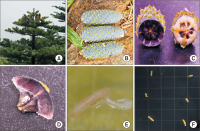
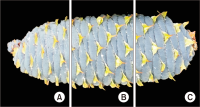
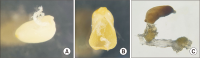
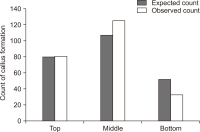
The Korean fir (Abies koreana E. H. Wilson), an endemic species of the Korean Peninsula and an indicator of climate change, is facing severe population decline owing to rising temperatures and drought. Its extremely low natural germination rate limits the effectiveness of traditional propagation methods, emphasizing the need for alternative conservation strategies. This study investigated the effects of collection site and location of immature embryos within the cone on callus induction success for in vitro propagation. Immature embryos were collected from four sites on Hallasan Mountain, sterilized, and plated on a culture medium. A chi-square test was performed to analyze the relationship between callus formation, collection site, and embryo position. Callus formation was successfully induced in embryos collected from the Witse Oreum and Nambyeok-Baengnokdam sites, with the Nambyeok-Baengnokdam samples showing a significantly higher success rates. A statistically significant relationship was also found between callus formation and embryo position within the cone, with embryos from the top and middle sections exhibiting higher rates of callus formation than those from the bottom section. These results indicate that both the health of the parent tree at the collection site and the physiological gradient within the cone are crucial factors for successful callus induction. Our findings provide a scientific basis for establishing effective in vitro propagation protocols and conservation strategies for this endangered species.
Abstract
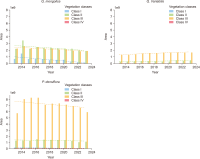
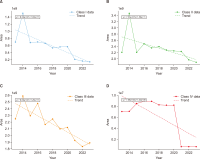
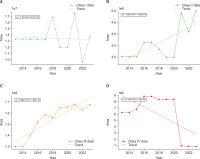
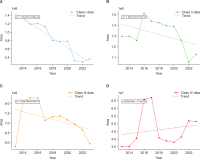
Recent changes in the dominant plant communities in South Korea (Southern Korean Peninsula) remain unclear. By analyzing vegetation data from the Ecological and Natural Map, we examined spatial changes over the past decade in the three most dominant plant communities in South Korea: Quercus mongolica, Quercus variabilis, and Pinus densiflora. Q. mongolica and P. densiflora communities have gradually decreased in the area. In contrast, the Q. variabilis community steadily expanded in the past decade, leading to an increase in its vegetation conservation grade within the Ecological and Natural Map. The decline in the Q. mongolica community was mainly due to the outbreak of oak wilt disease and thinning operations conducted as part of forestry projects by the Korea Forest Service. Similarly, the decline in the P. densiflora community was primarily caused by pine wilt disease, pine gall midge infestations, and thinning under forest management. However, Q. variabilis naturally competes with Q. mongolica and P. densiflora in natural ecosystems. With the decline in these two species, Q. variabilis gained a competitive edge. Its strong resistance to oak wilt disease, along with its use as a major species in afforestation and reforestation, led to a gradual increase in its area.
Abstract
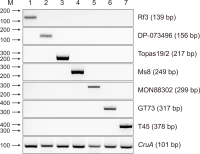
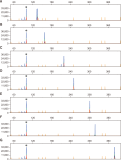
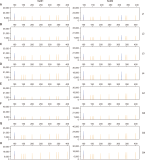
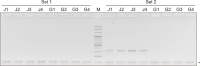
Modern biotechnology has enabled significant improvements in crop production; however, the potential risks to human health and biodiversity remain concerning. Therefore, accurate and convenient detection methods for living modified organisms must be established to manage unintentional releases and increase the number of volunteers in natural ecosystems. This study successfully developed and validated two sets of multiplex polymerase chain reaction (PCR) methods for seven living modified organism canola events (Rf3, DP-073496-4, Topas19/2, Ms8, MON88302, GT73, and T45) and an endogenous gene (CruA) approved in South Korea. Capillary electrophoresis was used to analyze seven living modified organism canola events by combining multiplex PCR with fluorescence capillary electrophoresis, a technique commonly used in species identification and disease diagnosis. These newly developed multiplex PCR methods and capillary electrophoresis techniques were highly effective for analyzing living modified organism canola. Eight suspected living modified organism canola samples collected from ecosystems in South Korea were analyzed for practical use. These results suggest that the newly developed multiplex PCR and capillary electrophoresis techniques represent the first step toward automating the identification of living modified organisms.
Abstract
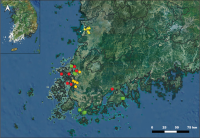
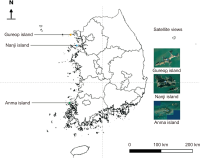
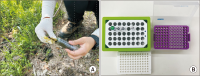
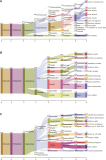
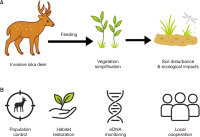
The sika deer (Cervus nippon), introduced or released for various purposes, has rapidly expanded its populations worldwide owing to its high environmental adaptability, and is now recognized as a major driver of ecological and economic damage in forests and farmlands. Island ecosystems are particularly vulnerable to invasive species because of their limited area, isolation, and high levels of native species; however, ecological research on the impacts of invasive sika deer remains scarce in Korea. Therefore, this study aimed to elucidate the feeding patterns of sika deer inhabiting three offshore islands of the Yellow Sea—Gureopdo, Nanjido, and Anmado—using fecal DNA metabarcoding. Between March and October 2024, a total of 45 fecal samples (15 per island) were collected, and dietary plant taxa were identified through DNA extraction and next-generation sequencing-based metabarcoding. The results revealed a strong dietary dependence on Carex in Gureopdo, a mixed feeding strategy involving both trees and herbs in Nanjido, and a wide range of resources including cultivated and ornamental plants in Anmado. These findings demonstrate that invasive sika deer adopt different feeding strategies depending on vegetation structure and environmental conditions, highlighting their potential impacts on island ecosystems. To our knowledge, this is the first study in Korea to clarify the feeding ecology of invasive sika deer using molecular techniques, providing baseline information for the development of integrated management strategies encompassing population control, habitat restoration, eDNA-based long-term monitoring, and community-based cooperation.
Abstract
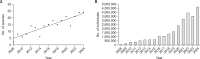
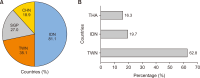
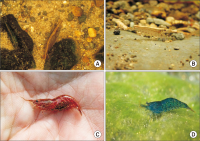
The family Atyidae includes over 500 freshwater shrimp species, with ornamental genera Caridina and Neocaridina widely traded for aquariums. From 2008-2024, 26 million individuals of 37 species were imported into Korea, mainly from Taiwan, Indonesia, and Thailand. Imports rose steadily after 2016, dominated by Neocaridina heteropoda, Neocaridina denticulata, Caridina multidentata, Neocaridina davidi, and Caridina cantonensis, comprising 94% of individuals. Although none were CITES-listed, eight Caridina species are threatened (CR/EN) under IUCN. N. davidi is invasive in the U.S. and Japan due to its tolerance and adaptability, and has been found in Germany. Risks include hybridization, disease transmission, and potential ecological disruption if released into the wild. While no ecological damage has yet been reported in Korea, preventive management is needed to avoid escapes and ensure biosecurity in light of increasing imports and ecological risks.
Abstract
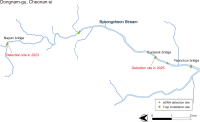
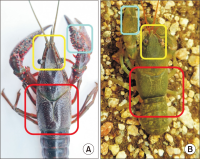
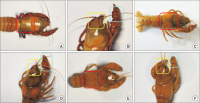
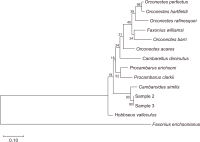
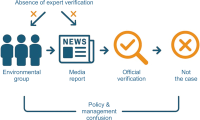
In April 2025, a freshwater crayfish from the Byeongcheon Stream, South Korea, was misreported as an invasive red swamp crayfish (Procambarus clarkii) by local media without expert validation. Field surveys using fyke nets and complementary environmental DNA analysis across an 11.6-km section found no P. clarkii individuals, and no species-specific sequences were detected. Three additional crayfish collected by a local non-governmental organization near the Eunseokgyo Bridge were morphologically and genetically identified as Cambaroides similis, which is native to Korea. These findings highlight this misidentification, emphasize the necessity for expert verification and scientific evidence, and advocate for improved collaboration between citizen detection systems and the media to ensure accurate reporting of invasive species.
Abstract
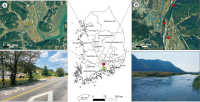
The exotic pet market continues to grow, and it has been confirmed that approximately 43.2% of the nonnative reptiles being imported into the country are internationally endangered species. Under the Convention on International Trade in Endangered Species Wild Fauna and Flora (CITES) Convention, species listed in Appendix I cannot be kept by individuals except for exhibition or research purposes. Furthermore, under South Korea’s Wildlife Protection Act, crocodilians are subject to breeding permits and require specialized facilities, effectively prohibiting private ownership since 2022. In August 2024, the carcass of a CITES Appendix I-listed Saltwater crocodile was found on a two-lane road in Sancheong, Gyeongsangnam-do. The specimen measured 70.40 cm in total length and is presumed to be a roadkill. It is suspected to have been illegally bred or kept, though its exact origin remains unconfirmed. Environmental DNA analysis conducted in Sacheon, Gyeongsangnam-do to identify additional habitats confirmed no further occurrences. An investigation into the domestic introduction of saltwater crocodiles revealed that a total of 50 individuals were imported from three countries since 1997. Saltwater crocodiles are a species capable of inflicting fatal harm to humans and are judged to have a highly negative impact if introduced into the domestic ecosystem. Therefore, continuous monitoring and ongoing citizen science efforts are deemed necessary.